 by
by When sleepless nights start piling up, your body sends little warning signs—foggy mornings, low energy, short temper, or headaches. Instead of forcing yourself to “just sleep,” focus on rebuilding the habits that help your system settle down again.
- Give Your Body a Consistent Rhythm
Your brain loves routine more than you think.
Try sleeping and waking up at the same time every day—even on weekends.
Once your internal clock feels stable, falling asleep becomes easier without effort.
- Fix the Light Around You
Bright lights after 9 PM confuse your brain.
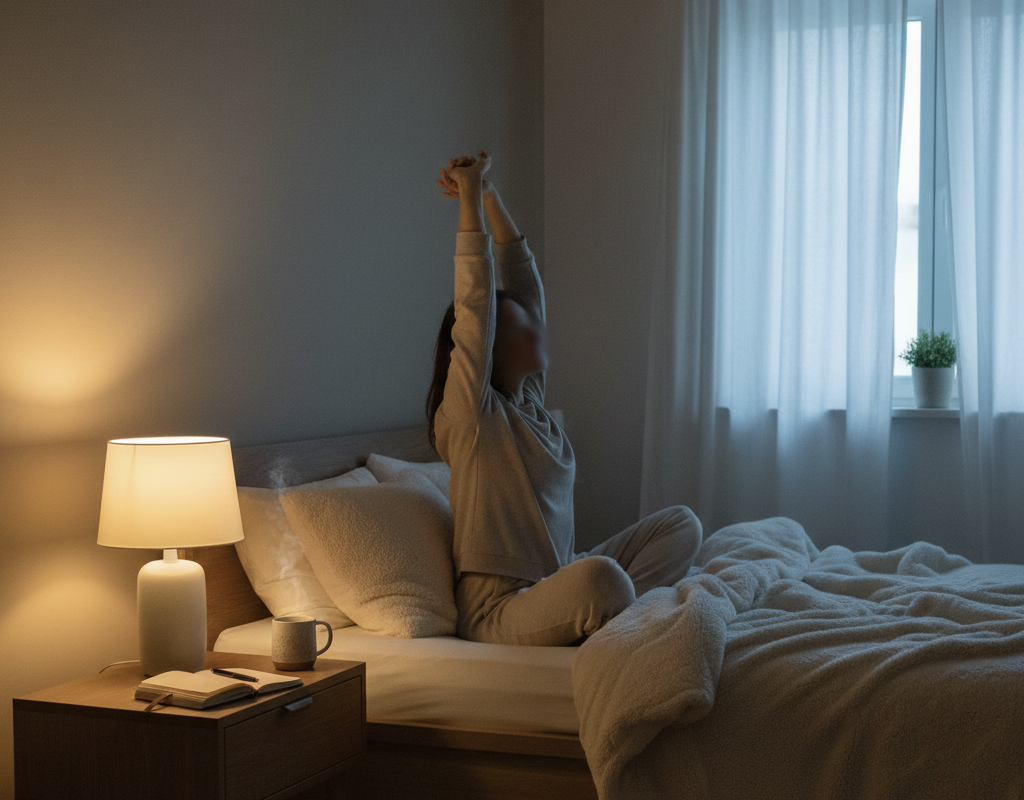
Make evenings warm and soft:
switch to yellow lights
reduce screen brightness
avoid harsh overhead lighting
Your mind naturally shifts into “night mode” when the environment does.
- Let Your Nervous System Calm Down
Sleeplessness often comes from a wired, overstimulated mind.
Do something that slows you down from the inside:
warm shower
slow stretching
meditation or quiet breathing
soft music without lyrics
Even ten minutes can reset your mood.
- Strengthen Your Daytime Habits
Good sleep starts long before bedtime.
Help your body during the day:
get sunlight in the morning
move your body (even a short walk works)
avoid heavy caffeine after afternoon
Your energy cycle depends on these small daily signals.
- Don’t Carry Stress Into Bed
If something is bothering you, your mind will replay it all night.
Write down your thoughts, tasks, or worries before lying down.
It unloads your brain and makes space for calm.
- Give Yourself a “Reset Night”
If you’ve been sleep-deprived for several days, choose one night to reset:
eat a light early dinner
stop using your phone an hour before bed
take a warm bath or shower
go to bed 30 minutes earlier
It’s like pressing the “refresh” button for your body.
- When All Else Fails, Rest Instead of Forcing Sleep
You don’t have to be fully asleep to recover.
Lying down in a dark, quiet room with slow breathing can restore your body more than you expect.
Sometimes rest is enough to break the cycle.