 by
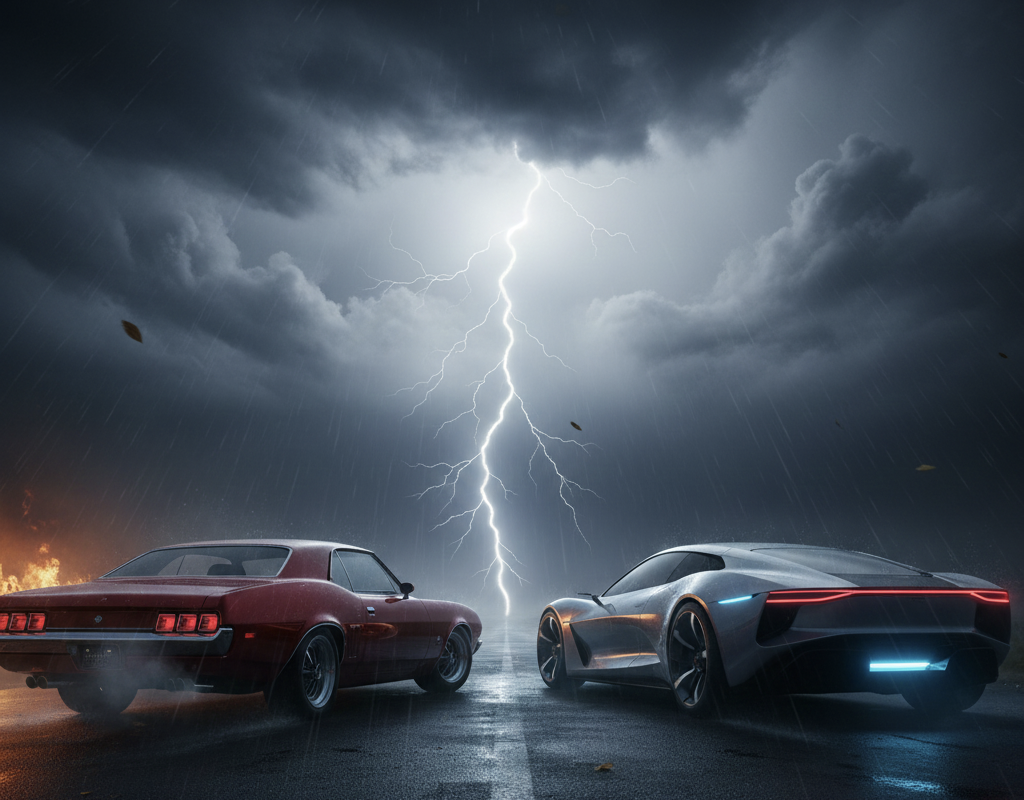
by When people argue about cars, the debate usually ends with two camps:
the ones who love the growl of a gasoline engine, and the ones who believe the future is fully electric.
But instead of picking sides, let’s break down what each one actually offers.
🔥 Gasoline Cars — Strengths
- Long-distance comfort
Refuel in just a few minutes and get back on the road. No waiting, no stress. - More repair options
Every town, every mechanic, every roadside shop knows how to fix them. - Strong performance feel
That engine sound, the vibration, the driving “soul”—some people just can’t give that up. - Cheaper upfront
Gasoline cars usually cost less to buy, making them easier for first-time owners.
🔥 Gasoline Cars — Weaknesses
- Fuel cost keeps rising
A full tank today isn’t the same price as last year. - More maintenance
Oil changes, spark plugs, belts—many parts mean more upkeep. - Pollution
Gasoline engines contribute more to air pollution and climate issues.
⚡ EV Cars — Strengths
- Almost silent driving
Smooth, quiet, and relaxing—like gliding instead of driving. - Very low maintenance
No oil changes, fewer moving parts, fewer visits to the workshop. - Cheap to “refuel”
Charging is usually far cheaper than filling a tank. - Instant power
Electric motors react fast—quick acceleration without trying.
⚡ EV Cars — Weaknesses
- Charging time
Even fast chargers take longer than pumping gasoline. - Shorter range for long trips
Great in the city, tricky on long, remote routes. - Expensive battery replacement
When the battery ages, the replacement cost can be painful. - Charging station availability
Not every city or town has enough chargers yet.
So Which One Is Better?
It depends on your lifestyle:
City drivers? EV wins—quiet, low-cost, easy daily use.
Long-distance travelers? Gasoline still makes life easier.
Want that classic driving feel? Gas engines offer the emotion.
Want low maintenance and future-ready tech? EVs lead the way.
There’s no “one perfect choice”—just the one that matches your world.